Modular container construction has gained traction in recent years, driven by its versatility and efficiency. When considering a modular project, one critical question arises: what materials are used in modular container construction? The materials selected not only impact structural integrity but also determine aesthetics and sustainability.
Containers typically start as steel structures. Their robustness offers a strong foundation. Additionally, wood and insulation materials are vital for comfort. They enhance energy efficiency and regulate temperature. Sustainable options like recycled materials are increasingly popular as they minimize environmental footprints.
Understanding the variety of materials can help in making informed decisions. Each material contributes uniquely to the overall design, performance, and cost. This exploration reveals that while many options exist, some may lead to unexpected challenges. Balancing durability with sustainability requires careful thought and reflection.
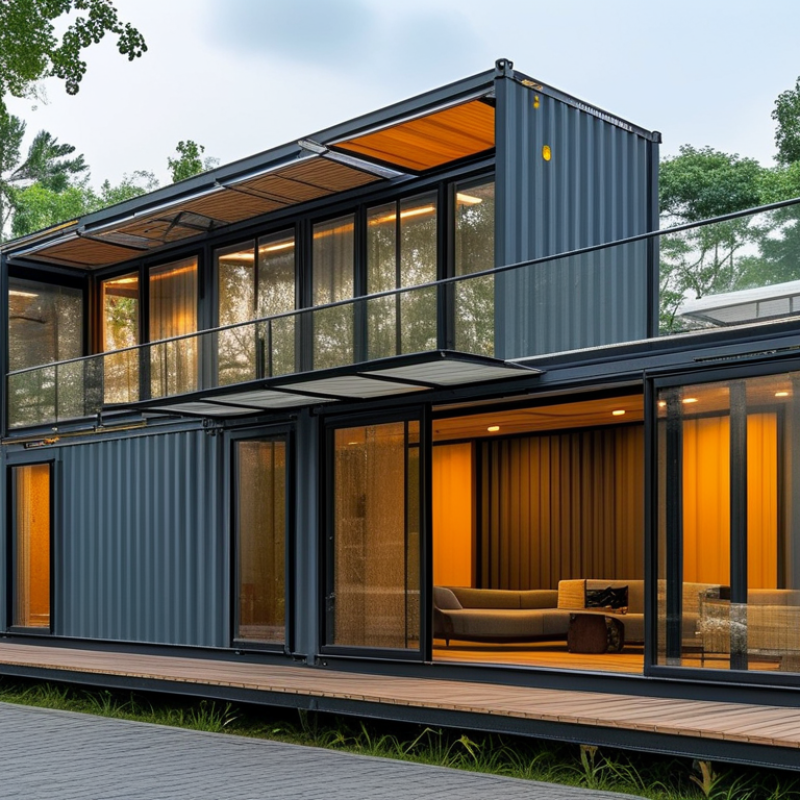
Modular container construction relies on a variety of materials, each chosen for its unique properties. Steel is a primary component, providing strength and durability. Its resistance to harsh weather makes it ideal for various environments. Steel also allows for easy customization, enabling modifications to suit different needs.
Insulation materials are crucial in modular buildings. They help regulate temperature and improve energy efficiency. Common options include foam board and fiberglass. Using the right insulation can significantly reduce heating and cooling costs. However, improperly insulated containers may lead to condensation and mold, highlighting the need for careful planning.
Wood is often used for interior finishes, offering warmth and aesthetic appeal. It is easy to work with, allowing for creative design expressions. Yet, wood can be susceptible to moisture damage. Proper treatment is essential to ensure longevity. Every material choice must balance functionality and aesthetics, as each has inherent weaknesses that warrant consideration.
In modular container construction, the choice of materials is pivotal. The structural integrity of these units often hinges on the use of steel and aluminum frameworks. Steel provides remarkable strength and durability, making it an excellent choice for load-bearing structures. Its resilience against harsh weather conditions enhances longevity. However, steel is prone to corrosion if not maintained properly. Regular inspections can help identify weaknesses, ensuring safety and stability.
Aluminum, on the other hand, is lightweight yet robust. This makes it an ideal option for creating portable and multifunctional spaces. Aluminum’s resistance to rust adds another layer of appeal, especially in coastal regions. It is important to consider its thermal conductivity, as it can lead to higher energy costs if not insulated adequately. Striking the right balance between materials often requires careful planning and foresight.
While both materials offer unique benefits, they also present challenges. Builders must also examine the environmental impact of these choices. Steel production often requires significant energy and resources, while aluminum, although more sustainable, can be costly. These factors must guide decisions to ensure responsible construction practices.
| Material Type | Description | Advantages | Disadvantages |
|---|---|---|---|
| Steel | A durable metal used for the framework of containers. | High strength, good load-bearing capacity, and longevity. | Susceptible to corrosion without proper treatment. |
| Aluminum | A lightweight metal, often used in modular designs. | Corrosion-resistant and easy to handle due to its lightweight. | Lower strength compared to steel, may be more expensive. |
| Wood | Utilized for interior finishes and structural support. | Natural insulation properties and aesthetic appeal. | Vulnerable to pests and environmental damage, requires maintenance. |
| Insulation Materials | Various materials such as foam and fiberglass for thermal performance. | Enhanced energy efficiency and temperature control. | May require additional space and can be costly. |
Insulating modular container constructions is crucial for energy efficiency. The choice between foam and mineral wool can significantly impact performance. Foam insulation, made from polyurethane or polystyrene, offers a high R-value per inch. In fact, closed-cell spray foam can reach R-values of up to 6.5 per inch. This high insulation value helps create a tight seal, reducing air leaks and enhancing energy efficiency.
On the other hand, mineral wool, also known as rock wool, is a natural product. It provides excellent fire resistance and soundproofing qualities. Its R-value typically ranges from 3.0 to 4.0 per inch. Mineral wool is also hydrophobic, which means it resists water absorption. This can help maintain structural integrity over time. However, it may require more space than foam for the same level of insulation, impacting overall design.
Consider the application when choosing insulation. If fire safety is a priority, mineral wool may be the better option. If maximizing energy efficiency is key, foam insulation could be more suitable. Both materials have advantages and disadvantages. Assess the specific needs of your project.
Picking the right insulation goes beyond numbers. Evaluate your priorities, from energy costs to environmental impact. Reflect on sustainability. Are you choosing materials that align with your long-term goals? Remember, the right choice can lead to significant energy savings.
In modern container homes, finishing materials play a crucial role in achieving both aesthetics and functionality. Interior options often include drywall, plywood, and various insulation materials. Each of these not only creates a pleasing appearance but also contributes to energy efficiency. For instance, adding soundproofing insulation can enhance comfort, making the space quieter and cozier. Wall treatments, like paint or wallpaper, can reflect personal style, yet they also require careful maintenance to avoid wear over time.
The exterior of container homes presents different challenges and opportunities. Common choices include corrugated metal, wood cladding, and even fiber cement. Metal offers durability but can be prone to rust without proper treatment. Wood, while attractive, needs regular upkeep to withstand the elements. Selecting the right materials involves balancing aesthetic desires with long-term practicality. Some might overlook the importance of proper sealing against moisture, which can lead to significant issues later on.
Ultimately, the choice of finishing materials demands thoughtful consideration. Factors like climate, intended use, and personal preference all come into play. Creative yet practical solutions can transform a simple container into a stunning living space, making the effort worthwhile. Reflecting on these choices can lead to better outcomes.
The demand for sustainable construction materials is growing significantly. In modular container construction, many builders are turning to recycled and eco-friendly materials. According to a report from the World Green Building Council, using recycled materials can reduce energy use by up to 30%. This is a key aspect of creating environmentally friendly structures.
Containers themselves can be repurposed, minimizing waste. Approximately 16 million shipping containers worldwide sit unused. Instead of ending in landfills, they can be transformed into homes or offices. The use of bamboo and reclaimed wood in interior designs also adds to sustainability. Bamboo grows rapidly, making it an ideal choice for eco-friendly projects. However, sourcing must be careful, as not all bamboo is harvested sustainably.
Moreover, insulation materials play a crucial role. Options like sheep wool or recycled denim provide good thermal performance. These materials reduce the carbon footprint of buildings significantly. Yet, there’s a need for ongoing research to ensure they meet safety standards. Balancing sustainability with structural integrity remains a challenge for many builders today.
: Steel and aluminum are the most common choices for container construction. They offer strength and durability.
Steel provides remarkable strength and can withstand harsh weather conditions, enhancing the container's longevity.
Steel can corrode if not maintained properly, which requires regular inspections to ensure structural safety.
Aluminum is lightweight, robust, and resistant to rust, making it great for portable spaces.
Its thermal conductivity can lead to higher energy costs if not insulated properly, which requires careful planning.
Finishing materials enhance aesthetics and functionality, contributing to energy efficiency and personal style.
Exterior options include corrugated metal, wood cladding, and fiber cement, each with its own maintenance needs.
Proper sealing against moisture is crucial, as neglecting it can lead to significant issues later on.
The climate influences the choice of materials, as it impacts durability and maintenance needs over time.
Builders should consider the environmental impact, cost, and long-term aesthetics of their material choices.
Modular container construction has gained popularity due to its flexibility and efficiency, prompting an interest in what materials are used in modular container construction. The primary components include steel and aluminum frameworks that ensure structural integrity and durability, making these materials ideal for various climates and environmental conditions.
In terms of insulation, choices such as foam and mineral wool are critical for energy efficiency, providing necessary thermal regulation. Additionally, the aesthetic appeal of modular containers is enhanced by various interior and exterior finishing materials, which allow for customization according to modern design preferences. Sustainability is also a significant aspect, with the use of recycled and eco-friendly materials being increasingly adopted, further promoting environmentally responsible building practices in this innovative construction method.

Goldy Homes